Introduction
Chatter mark prevention and productivity improvement
For more than 25 years, QASS has stood for high-quality and innovative measurement technology. In the Western Hemisphere, nearly every passenger car is inspected at least once during its production by our technology.
As a manufacturer of structure-borne sound sensors and developer of advanced analytical algorithms, QASS understands, like almost no one else, how to build precise measuring instruments that are robust and optimized for series production in industrial manufacturing processes.
Since 2020, manufacturers have boosted profitability with QASS technology in tube production.
Here, we present use cases of how QASS measurement technology increases productivity in tube drawing by adaptively adjusting the drawing speed, reliably preventing chatter marks, and significantly reducing the machine operator‘s workload. By combining high-frequncy sturcture-borne sound analysis, real-time data processing, and intelligent control, a fully monitored, self-optimizing production process is created that delivers quality and boosts productivity.
The first projects now date back several years, and QASS can proudly look back at many highly successful installations and implementations. This applies regardless of whether the technology was delivered together with a new machine or integrated into existing systems as part of a retrofit.
Our customers report an almost complete elimination of chatter marks, significantly increased productivity of their tube drawing machines, and noticeable relief for operators during daily operations.
Problem
Chatter marks and below optimal drawing speeds reduce machine output and production quality
Traditionally, tube manufacturers face the challenge that excessive drawing speed leads to unwanted vibrations (chatter), which results in material damage (chatter marks) and scrap.
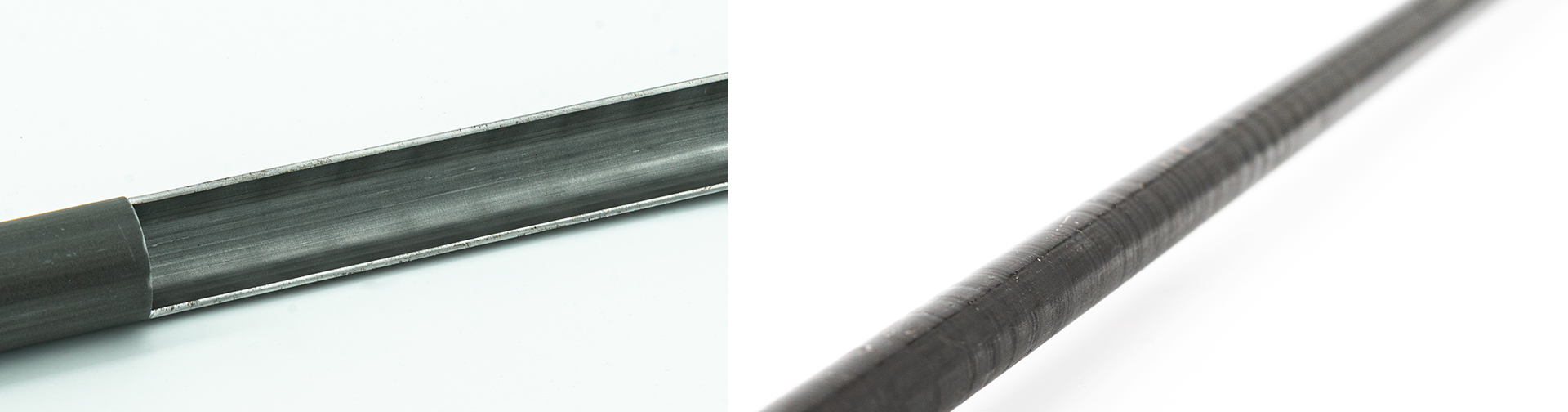
Figure1: Chatter marks are visible on the inner and outer surfaces of the tube.
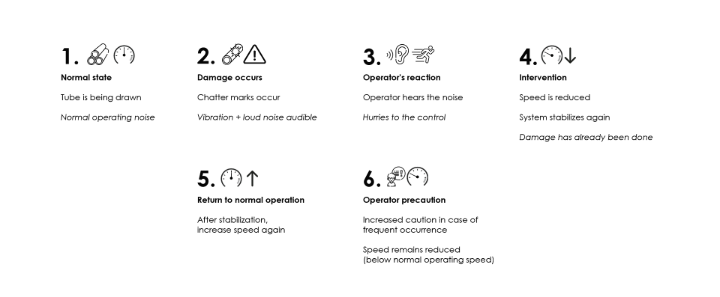
A scenario like this typically looks as follows:
Typically, the tube drawing system is operated at a standard speed defined for the respective tube dimension. This speed is selected to ensure high product quality and to prevent chatter as much as possible. Accordingly, these values are generally set conservatively. During operation, the machine therefore runs at its normal speed and produces tubes as usual. Meanwhile, the machine operator is forced to stay as close to the machine as possible to listen for potential chatter.
When the machine begins to chatter, the operator must rush to the machine control and reduce the drawing speed as quickly as possible. By that time, however, the damage has already occurred, and parts of the newly produced tubes are marked with chatter marks. Once the system has stabilized again, the operator can increase the speed back to its previous level.
If this happens repeatedly, the machine is set to a reduced drawing speed (following the principle: Better safe than sorry), often neglecting the option to run at higher speeds.
Flow chart without QASS:

Technical solution by QASS
During tube drawing, vibrations can occur at high drawing speeds, a phenomenon commonly referred to as chatter. This results in the well-known damage pattern known as chatter marks. Traditionally, the machine operator must detect the chatter manually and reduce the drawing speed as quickly as possible in order to decrease friction and prevent the formation of additional chatter marks. To avoid high scrap rates, many manufacturers operate at drawing speeds below full capacity and therefore do not fully utilize the machine‘s potential.
QASS addresses the two issues of chatter marks and inefficient drawing speeds with its proprietary structure-borne sound measurement system, Optimizer4D. When listening to the drawing bench, it performs more than 25,000 frequency analyses per second. It is equipped with advanced noise filters and machine learning algorithms, and captures all emissions of the forming and friction forces during the tube drawing process.
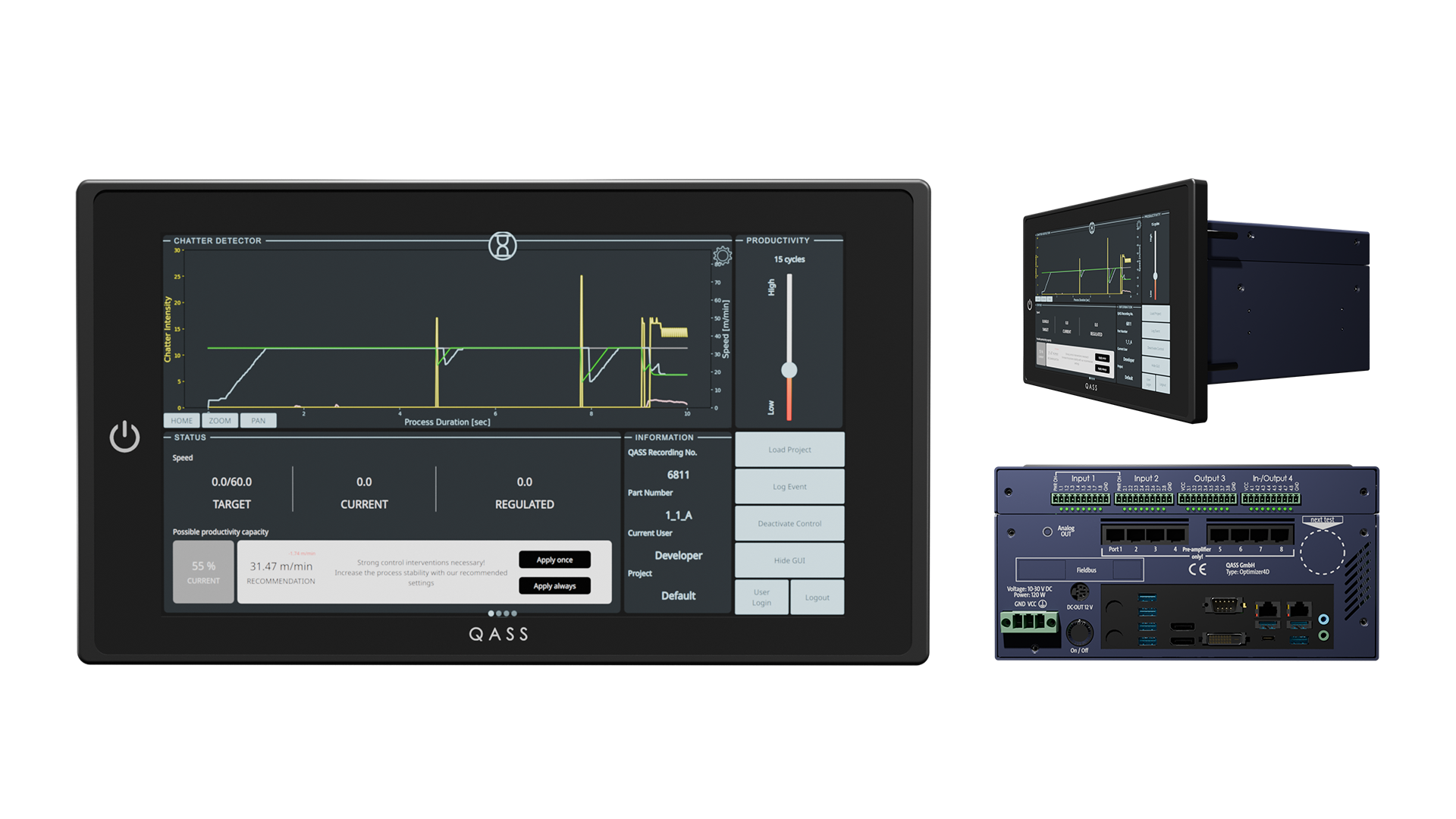
Figure 2: Operator interface for live data plots and machine performance updates.
QASS applies a fast Fourier transformation to its measurement data in real time. The result is shown in Figure 3, where the transformation adds frequency information, allowing us not only to assess data based on its magnitude/amplitude but also to consider its shape and spectral distribution. This is important because noise during tube drawing can mask critical signals in conventional signal analysis, where frequency information is not available.
QASS measurement technology improves your tube production with its two unique features:
Feature 1: Detect chatter early before it leaves marks on your tubes
Thanks to QASS‘s advanced signal processing and real-time frequency analysis, chatter can be reliably detected before it is audible to the machine operator and leaves chatter marks on your tubes. As shown in Figure 3, our sensitive sensors can detect faint precursor vibrations before any material damage develops. We then preemptively reduce the machine‘s drawing speed to stabilize the process and avoid material damage. After a temporary slowdown, we restore the material‘s previously set drawing speed. All the while, the machine operator could focus on other tasks.
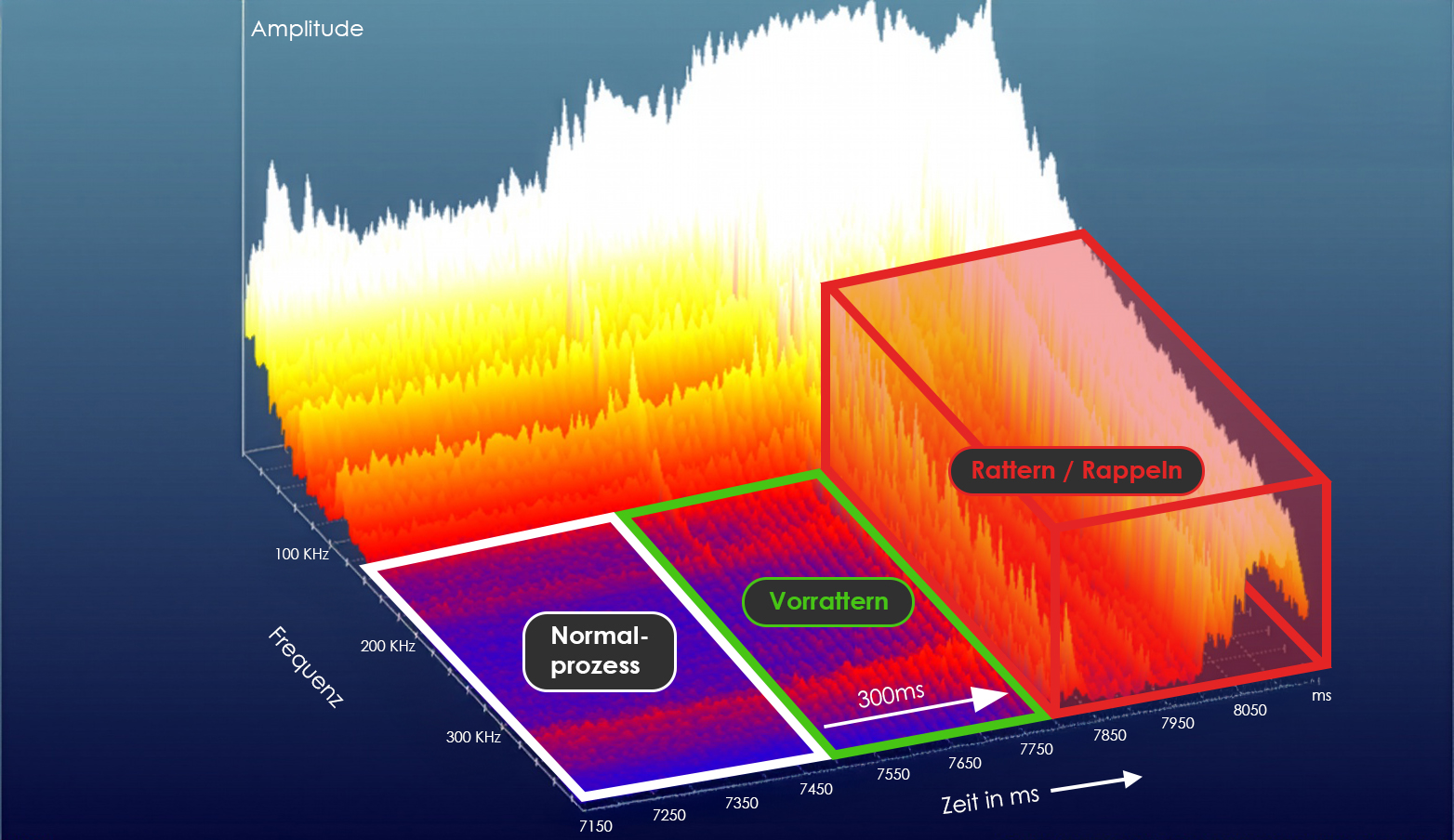
Figure 3: Visualization of a tube drawing process in the QASS spectral landscape (after real-time FFT). You can see parts of the “standard process” (white rectangular, no chatter), the precursor chatter signals lasting for about 300 msec(green), and chatter (red box), which is the audible part of chatter.
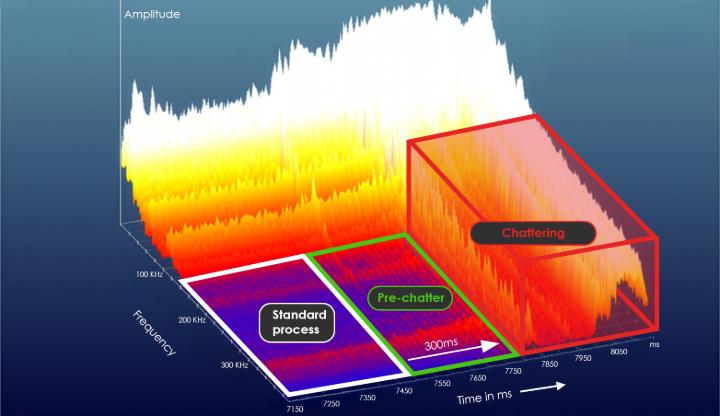
Figure 3: Visualization of a tube drawing process in the QASS spectral landscape (after real-time FFT). You can see parts of the “standard process” (white rectangular, no chatter), the precursor chatter signals lasting for about 300 msec(green), and chatter (red box), which is the audible part of chatter.
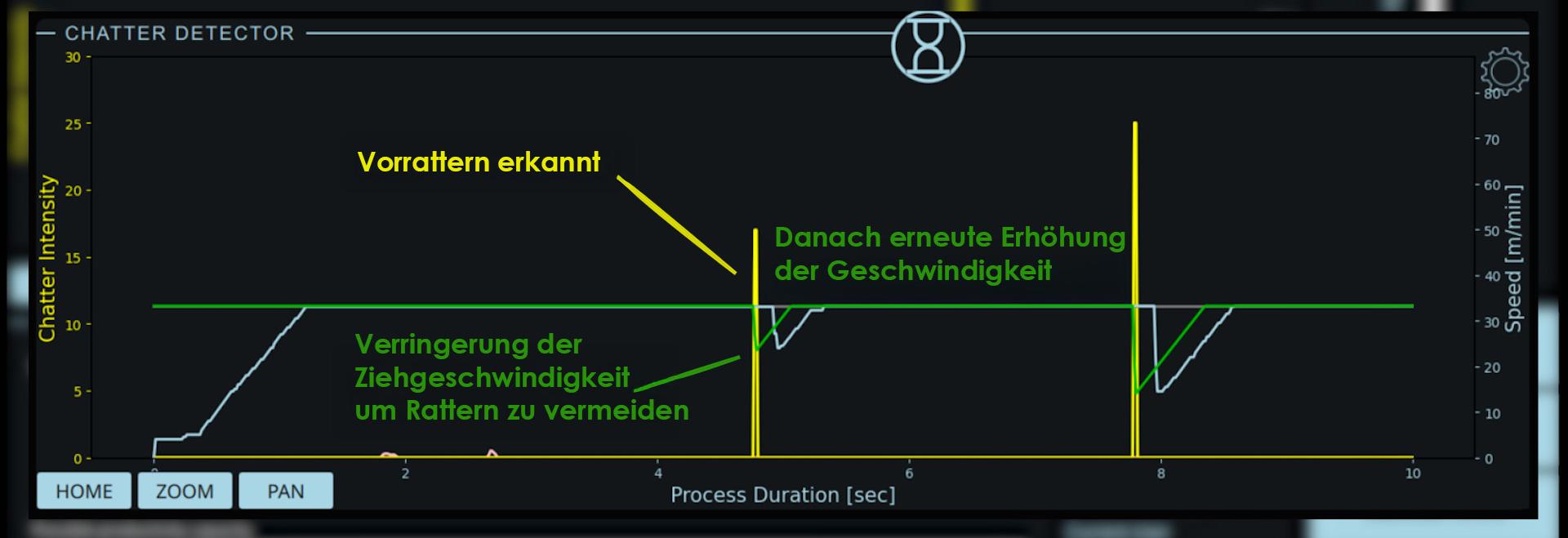
Figure 4: Image of a tube drawing process in the QASS Analyzer software. Shown is speed adjustment immediately after the pre-chatter was detected.
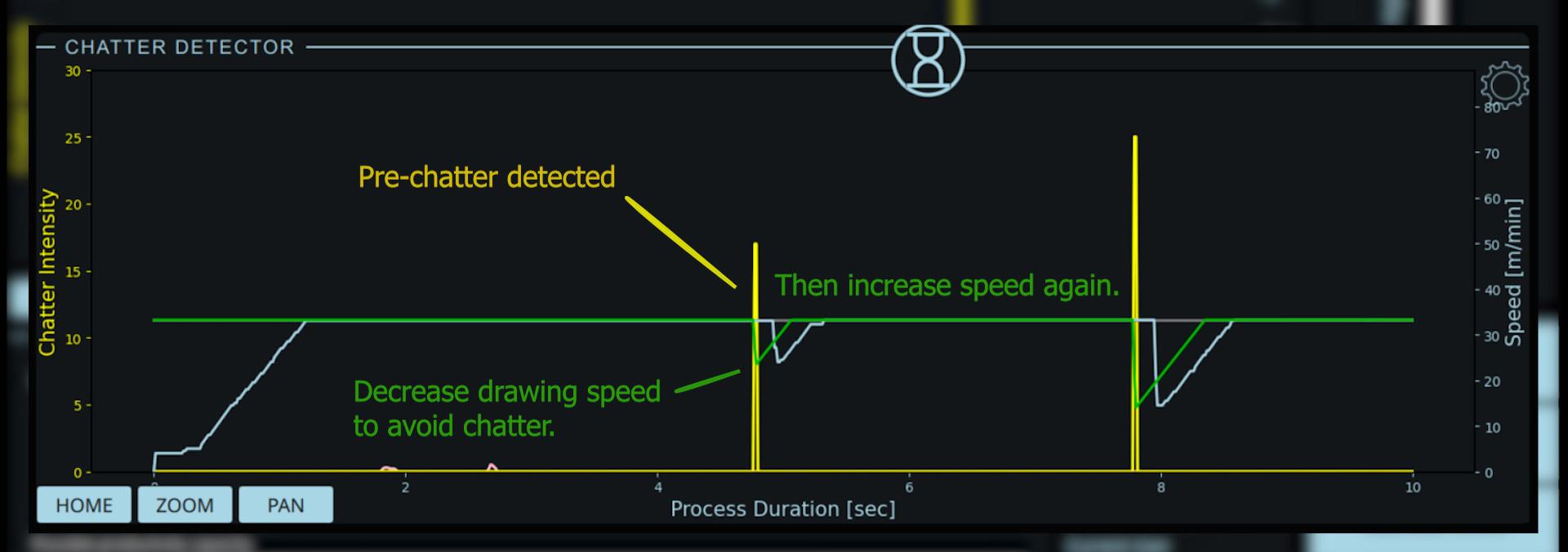
Figure 4: Image of a tube drawing process in the QASS Analyzer software. Shown is speed adjustment immediately after the pre-chatter was detected.
Feature 2: Optimize the machine’s drawing speed
QASS strives to gradually increase the machine‘s overall drawing speed while still monitoring for chatter.
When the machine draws tubes without chatter, the Optimizer4D looks for ways to safely increase drawing speed. The acceleration rate can be adjusted to meet both our customers’ requirements and specific machine limitations. Together with customers, we have achieved average productivity increases of 20 percent while simultaneously improving quality (see Figure 5).
All of this enables comprehensive optimization of existing tube drawing processes and machines. It allows early automatic speed adjustments and increased machine productivity - effectively preventing tube damage and costly production downtime.
Flow chart with QASS:


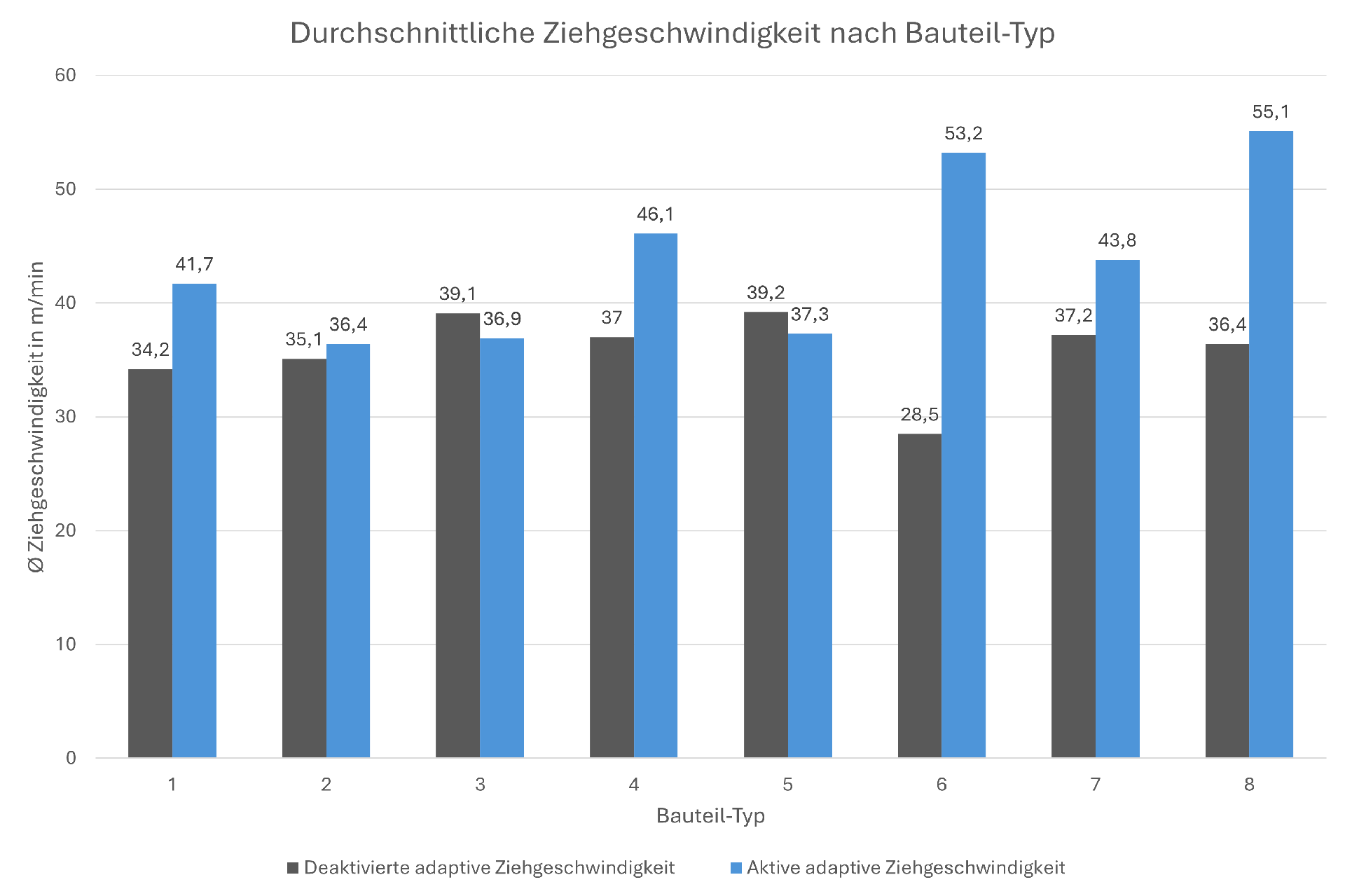
Figure 5: Illustration of the average drawing speed per component type with and without QASS adaptive speed control.
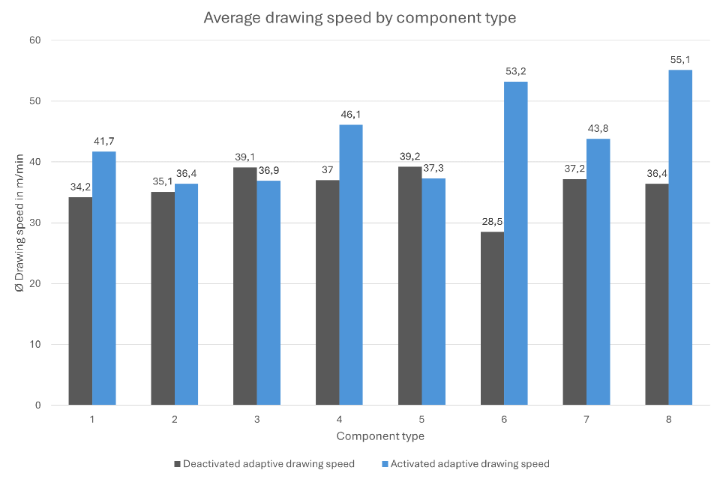
Figure 5: Illustration of the average drawing speed per component type with and without QASS adaptive speed control.
The automated measurement technology can determine the optimal operation point of your machine based on real production data. In addition, the system continuously adapts its control behavior to the current material and other process influences, such as lubrication, through adaptive regulation.
Previous speed specifications for a given material and dimension can be redefined on an evidence-based foundation. The Optimizer4D automatically determines the optimal drawing speed for your system. The customer can freely select the permissible range for speed increases, meaning the drawing process itself is no longer the productivity bottleneck.
Integration
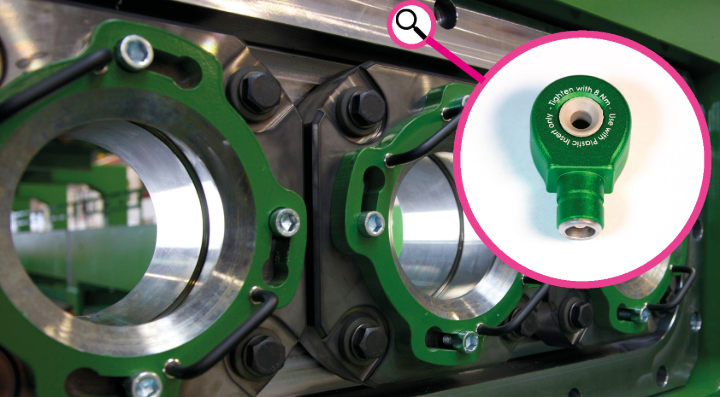
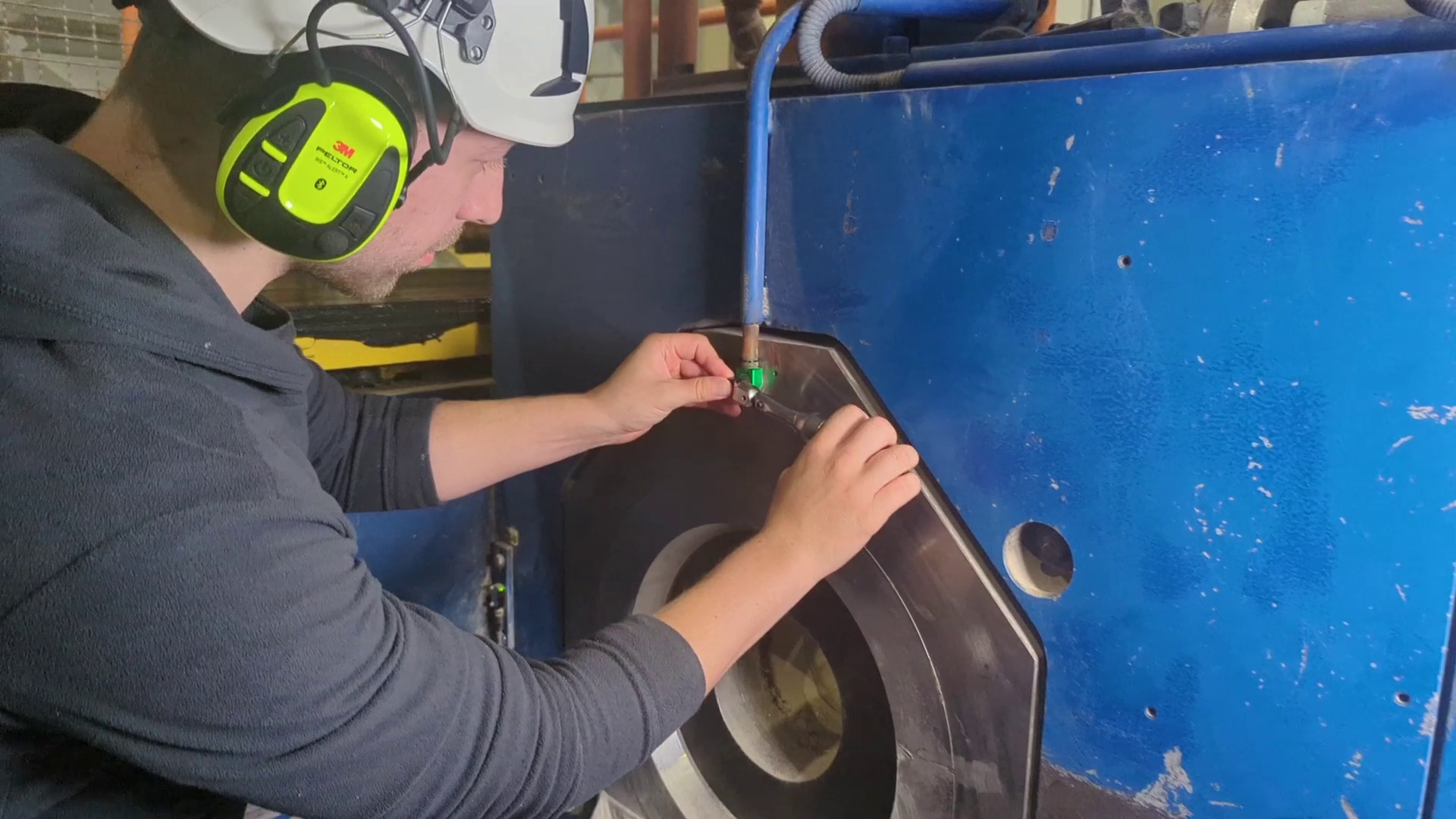
QASS measurement technology can be integrated into both new and old machines. Our sensors are mounted on the outside of the drawing die and continuously record all relevant forming and friction forces acting between the inner and outer tools and the tube, regardless of the machine‘s age or level of digitalization (Figure 6). Most machines can be retrofitted and optimized with QASS measurement technology.
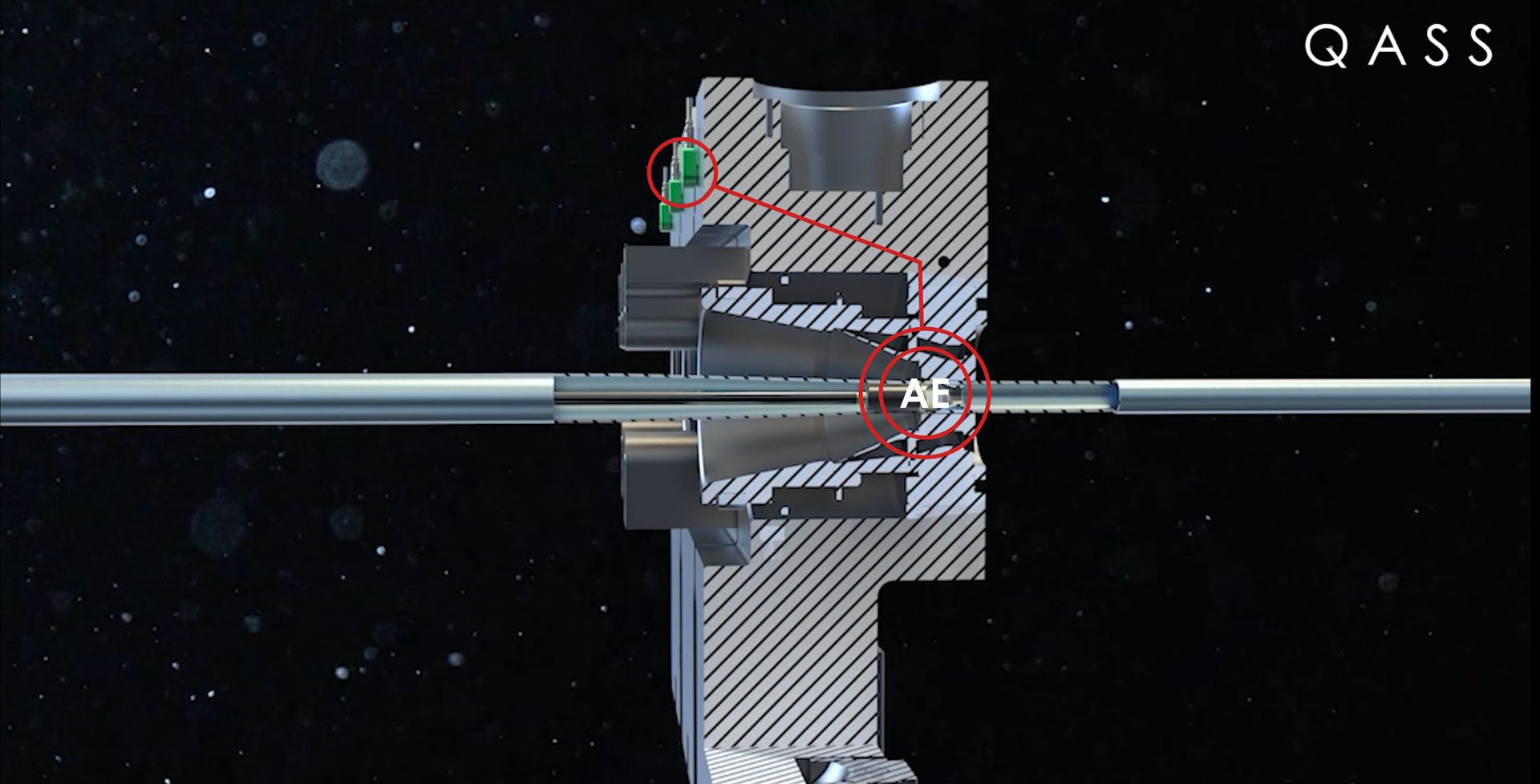
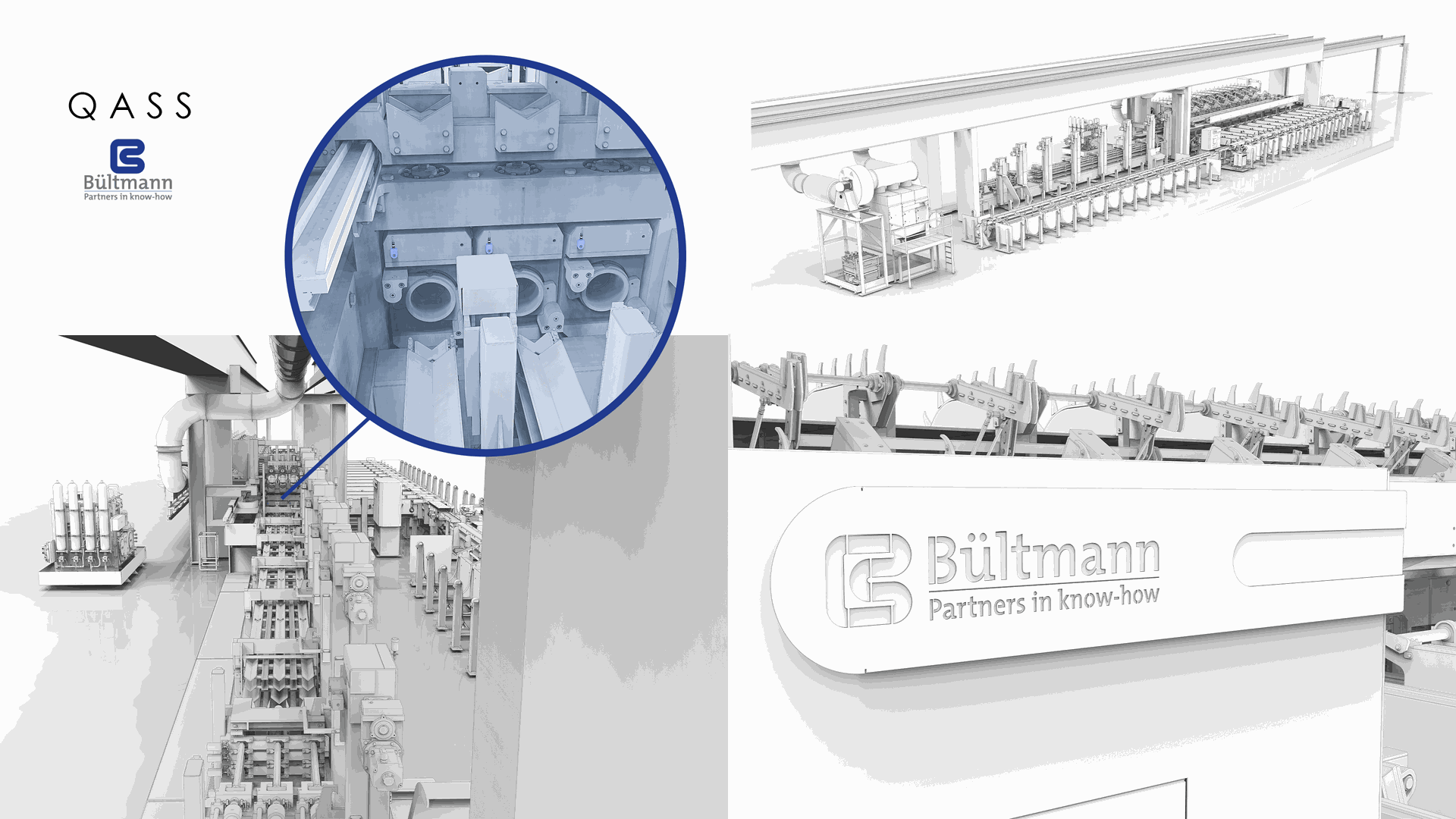
Figure 6: Sectional view of a drawing die with plug from a Bültmann tube drawing system with mounted QASS sensors.
The QASS structure-borne sound sensor requires only about 20 mm of space and does not interfere with the ongoing production process (Figure 7). The rest of the measurement system can be positioned and installed freely.
The measurement system is seamlessly connected to the machine control via analog interfaces or common fieldbus protocols. Even older machines without digitalized control systems can be operated directly by us using specially developed additional hardware. The user-friendly graphical interface ensures optimal machine monitoring and enables both technically experienced operators and decision-makers to adjust QASS settings easily.
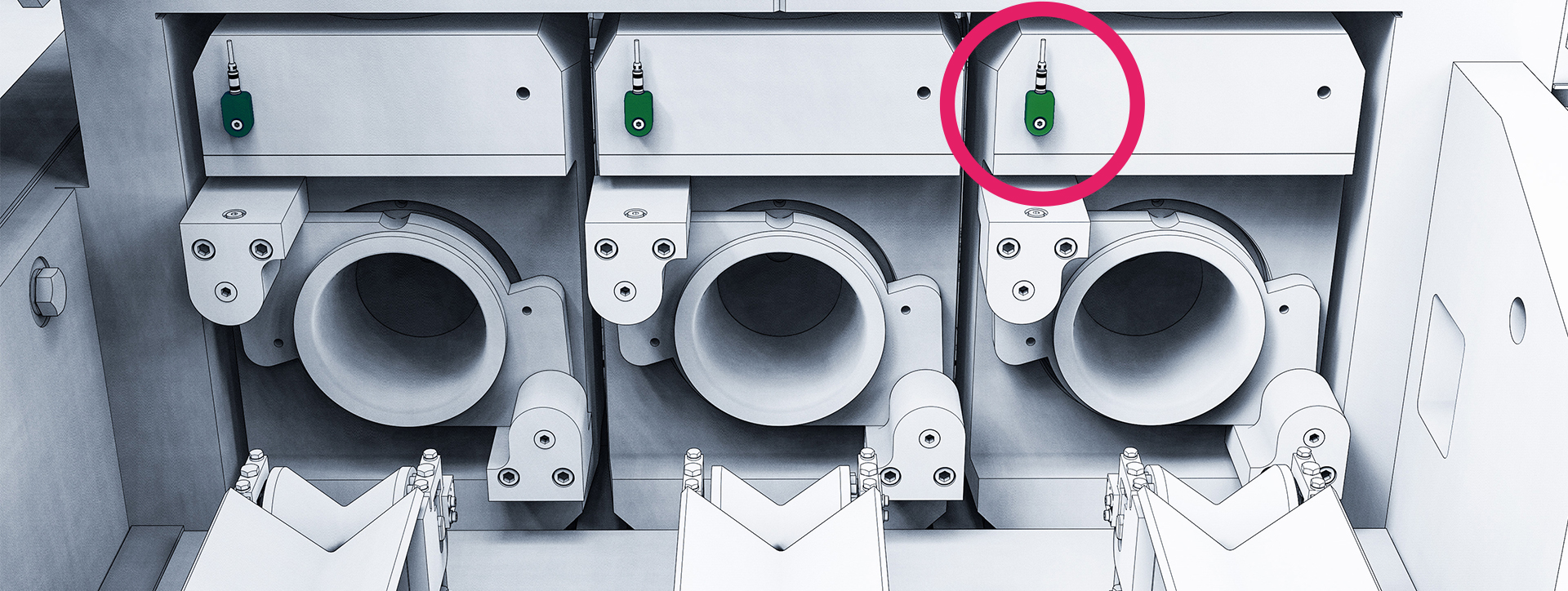
Figure 7: QASS sensors mounted on the drawing die of a Bültmann tube drawing machine.
Examples and References
The first units were rolled out in 2020. Since then, numerous well-known companies have benefited from QASS measurement technology. We have reached agreements with the tube manufacturers voestalpine, BENTELER Steel/Tube, Borusan, and machine manufacturers Bültmann, and ASMAG to showcase the successful implementations.
The tube manufacturers voestalpine, BENTELER Steel/Tube and Borusan have equipped additional systems with QASS technology following successful pilot projects.
Our partners report increased drawing speeds typically ranging between 10 and 20 percent after retrofitting their machines. In some cases, we measured improvements of more than 20 percent. We have also learned that our system allows machine operators to focus on other tasks without worrying about any loss in tube quality.
Since the first retrofits, a clear trend has emerged: Many partners are now focusing on accelerating downstream production processes to fully exploit the newly gained potential, and we already imagine new ways to apply QASS measurement technology to other tube manufacturing machines.
It is not only tube manufacturers themselves who are convinced of the performance of the QASS Optimizer4D. Renowned machine builders such as ASMAG and Bültmann also rely on QASS as a trusted partner and supplier of state-of-the-art measurement technology for quality assurance and productivity improvement in tube drawing.

Reference project with BENTELER Steel/Tube
Adaptive speed control in tube drawing
A comprehensive project for chatter mark prevention and process optimization was implemented at BENTELER in Paderborn. QASS has been working closely with the BENTELER team there for several years to further improve the performance of a 60-ton ASMAG tube drawing bench. The goal was to prevent the formation of chatter marks while at the same time optimizing the production speed.
The collaboration focused on integrating the machine communication, parameterizing the sensor data analysis, and ensuring error diagnosis and system stability. Particular attention was given to the precise coordination of timing and data exchange between the QASS measurement system and the machine control, especially the transfer of actual and target speed as well as the automated calculation of the optimal recommended speed.
During the project, QASS developed a parameterization system that distinguishes between sensitive and non-sensitive tube types as well as between pre-drawing and finish-drawing operations. This concept has proven effective in practice and is now used as QASS‘s standard approach. In addition, the control of braking and acceleration processes was iteratively adapted to BENTELER‘s specific requirements.
The decisive breakthrough was ultimately the introduction of adaptive speed control: if the system runs stably over several drawing cycles without any chatter events, the drawing speed is automatically increased. This resulted in a measureable increase in productivity while at the same time preventing the formation of chatter marks and ensuring the quality of the tubes.
Due to the demonstrable success, many additional tube drawing systems at BENTELER were equipped with QASS technology in 2025.

Reference project with Borusan
Successful implementation to reduce CO2 emissions
The company „Borusan“ was one of the early interested parties in QASS measurement technology. After several constructive discussions at the Wire & Tube trade fair, a prompt decision was made to equip an initial installation at Borusan in Turkey with our measurement technology.
The objective was to integrate our measurement system into an existing ASMAG tube drawing line in order to reliably prevent chatter marks and increase productivity.
After installation of the system and process-specific parameterization, the full performance range of the Optimizer4D including automatic speed optimization was activated.
The results were a drastic reduction in scrap, combined with a double-digit percentage increase in productivity.
By reliably preventing chatter marks, not only was product quality improved, but the overall process was also made more efficient.
This directly supported the company-wide efforts to reduce CO2 emissions.
Based on these results, the ROI was so positive that Borusan installed two additional systems with QASS less than a year after the initial installation.
Currently, three Optimizer4D systems are in operation at Borusan, making a measurable daily contribution to quality, process stability, and economic efficiency.

Reference project with voestalpine
Early trust and successful development of the measurement tech
voestalpine in Krieglach is one of our oldest partners in tube drawing. Together with voestalpine and the team in Austria, we have continuously developed our measurement technology and brought it to its current level.
The first tube drawing machine was equipped in March 2022.
The staff on site were able to achieve the following benefits:
1. Additional improvement of tube surface quality
2. More resource-efficient use of materials, resulting in cost savings
3. Automation of the production process
4. Increase in production speed
This means that production speed and quality were increased at the same time, all for a price comparable to that of a mid-range VW Passat..
After the successful first project, voestalpine has now equipped a total of four tube drawing systems. As part of the collaboration, our measurement technology was integrated into both Bültmann and ASMAG tube drawing machines.
We thank voestalpine for the early trust in our technology and for the successful path we have taken together!
Reference project with Bültmann
Integration into new and existing tube drawing machines
Another successful project was carried out in coorperation with Bültmann, a machine manufacturer in the tube drawing industry.
Together, QASS measurement technology was integrated directly into the construction of a new machine.
One focus was on achieving close integration between the measurement system, the sensors, and the machine control so that chatter mark detection and adaptive speed control would work optimally with the new machine right from the start.
The implementation proceeded smoothly and confirms that integrating QASS technology during the delivery of new machines creates a noticeable added value for the end user.
At the same time, another Bültmann drawing machine already in operation was retrofitted with QASS measurement technology, and a production increase of 60 percent was achieved within a very short time. The result speaks for itself!

Upgrade of ASMAG maschines
QASS measurement technology in retrofit applications
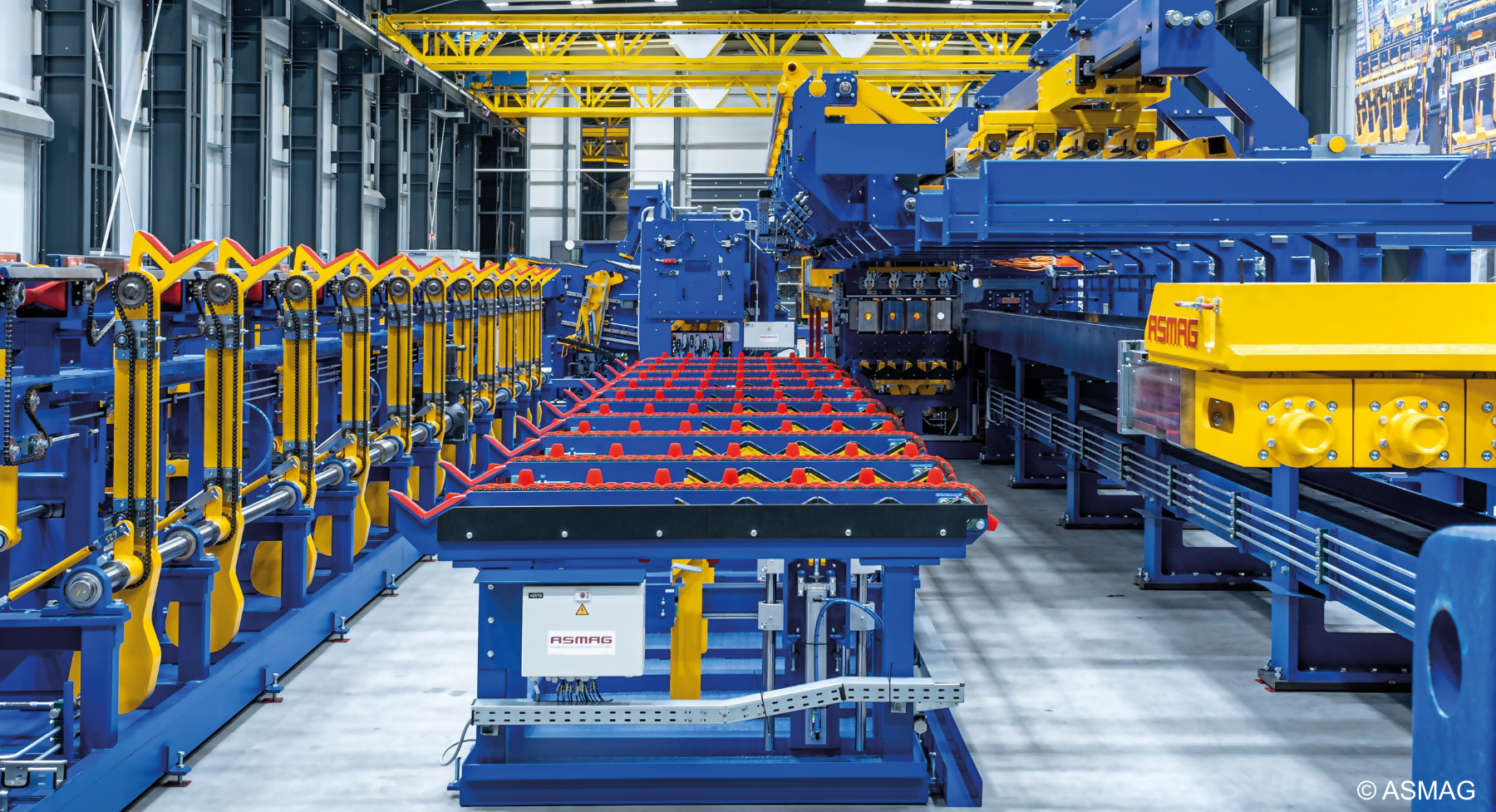
In recent years, QASS has equipped numerous ASMAG systems with Optimizer4D measurement technology as part of retrofit projects.
The goal was to upgrade existing machines with modern measurement technology and thereby further improving their already high performance and quality. In this way, many tube drawing machines have already been successfully optimized.
It has become clear that QASS measurement technology can be integrated well into existing machines. In exchange with the PLC, ASMAG and QASS achieve further automation of the plant.
QASS retrofit solutions help ensure the long-term tube quality of existing systems, reduce the workload for operators, and simultaneously increase machine productivity.
Further Applications
Of course, the Optimizer4D is not only capable of elevating tube production to a new level. Thanks to its open analysis approach and the flexibly deployable structure-borne sound sensors, a wide range of other processes can also be monitored, and a large number of other production issues can be mitigated.
These applications include:
- Real-time crack detection during straightening of gear shafts (world market leader)
- Non-destructive and contactless hardness testing and grinding burn detection
- Monitoring of assembly processes, including snap-in verification of safety elements (retaining ring, locking tab, etc.)
- Detection of soft spots directly during the straightening process
- Tool monitoring in plastic injection molding processes
- Process monitoring in machining and sawing
- Crack detection during spring coiling
- Density testing of sintered components